Monday, July 18, 2011

Sanchat and Saida Orphanages

For those of you who are a bit sappy and sentimental like me, this post might tug your heartstrings…
I have visited two orphanages in Gilgil during my time here- Saida and Sanchat. My first visits were with John and Paul on a day when we finished our BWM meetings early. The directors weren’t expecting us, but were happy to show us their facilities and to talk about their missions and their children. Both were quite similar.

The orphaned children are described as either abandoned or neglected. Some were abandoned just after birth for various reasons, including physical differences or disabilities. Others lost their families or are unable to be cared for by their families. The orphanages provide housing, food, schooling, clothing, and a safe and secure “family” for the children. They also work to provide feeding programs for children and families in need. Each of the organizations has about 65 children and approximately 7 staff members. The youngest children were 3 months old and the oldest were nineteen years. I’m not certain what Kenya’s adoption laws are, but it doesn’t seem that these children will be leaving the orphanages until their late teens, when they can care for themselves. Both organizations also have handmade goods created by their older or adult family members who need to learn to support themselves. We watched women silk screening reusable shopping bags for a grocery store at Sanchat and there were some cloths and jewelry in the store and Saida.
Buying a Bag of Kindness at Sanchat Orphanage

I returned to Saida orphanage with the Ardingly students, who had collected large bags of donations in England to bring to the students. When we arrived, they greeted us with a song, and the director, Madame Jane, invited us to join them and then to open our arms and hearts to the kids, to give them the hugs, love, and attention that they so desperately need. That part was easy, as the kids came right up to us, asking our names, holding our hands, etc. The youngest ones naturally wanted to be held and carried. We heard a few of their stories, opened the bags of goodies, and played with all of their new (secondhand) toys. We read books in their meager library, and then participated in some face painting fun!


Sweet Joseph painted his own face- and tried to paint his nails and lips too!

I spent most of the day with an 11-year-old named Hannah. She and her older sister, Monica, were both at the orphanage, and both were so polite, well-spoken, and sweet. Monica taught me a rock game that I was terrible at playing, and I taught her the good old-fashioned game of Hopscotch. She beat me at that too! 


Madame Jane and I spoke for a while about the donors and sponsors of Saida. She began the organization many years ago with three other women. Their work is extraordinary- the children are loved, educated (with many going to good secondary schools, which is a great success for any Kenyan in the area), and their “home” is supportive, clean, and organized. This is definitely an organization that I will continue to support. Madame Jane and I are going to be working on a project together to share more information about Saida, as the organization is limited by its lack of technology resources. On Saturday, I head back to take photographs of all of the children, to learn more of their stories, and to help create a video for the Saida Children’s Fund.  

African Food


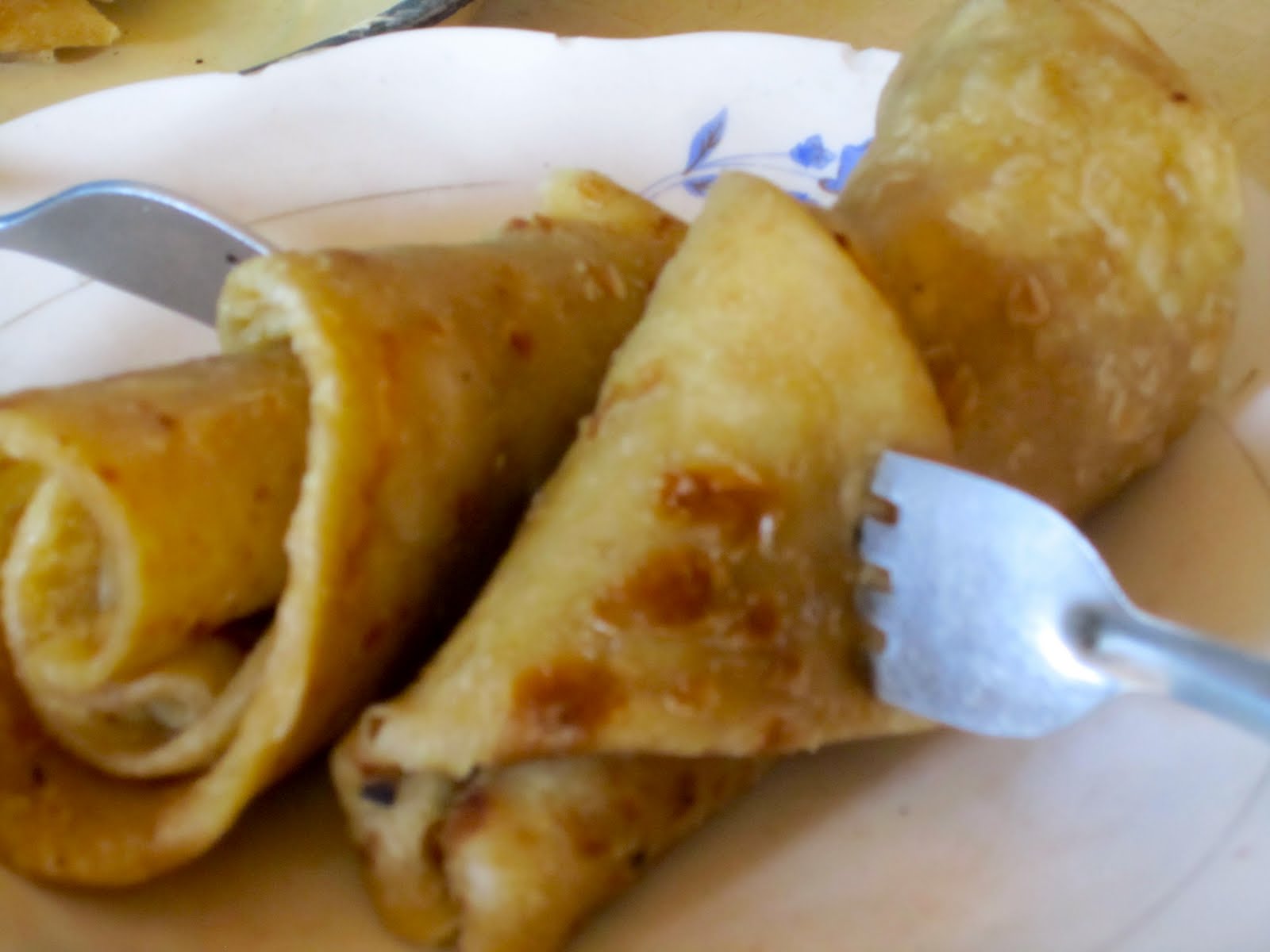
My sister asked me the other day if I was “starving” over here in Kenya. Goodness no! Fortunately, Malewa Bush Ventures has a wonderful staff and Christine has invited me to several meals with her and Granny. In fact, yesterday I had a rendition of Macaroni & Cheese- homemade, of course, with tomatoes on top! It was served with a side of some very bizarre large bean-like food with hard black seeds similar to wood inside…Granny and I decided we could live on without every trying them again. Most of the white Kenyans in the area are of British descent, so breakfast is tea, coffee, toast, and fruit, with an egg if I request it. I’ve had dinners of cottage pie, soup, vegetables, and freshly baked breads. Lunch, however, has been “on the road” and at African restaurants for the most part. They serve a lot of cooked cabbage here, and I’ve had cabbage with rice, cabbage with ugali (a traditional African maize mixture that is pretty bland), cabbage with french fries, cabbage with any type of starch- you name it! Kenyans apparently love their meat, and I have to close my eyes and look away when I see some of it, served on the bone in large portions. They also love to use salt- my dad would be happy here!

Some type of beef, vegetables and cabbage, and chipati (the bread-like pieces)

Rice and Spinach (maybe some kale mixed in there)

Chicken and Chips- there are advertisements for this meal everywhere!

Cabbage and Ugali (a maize dish that is very common and inexpensive)

Samosa filled with veggies and meat

Potatoes and Beans

More Chipati

Beef, Rice,Vegetables, and Bananas

Similar to my travels in Ecuador and Peru, fruits and vegetables are abundant and inexpensive. I went to the market on Wednesday and bought 2 large avocados, 1 large mango, 8 tomatoes, 8 onions, and a bag of carrots for about $1.10. I bought some staples like bread, rice, pasta, vegetable oil, soup mix, etc. at the store for less than $10.00. Pretty amazing! The fruits and vegetables aren’t nearly as colorful in Ecuador and Peru, but considering Africa has fairly dry land throughout, they are pretty good. The large delicious avocados are by far my favorite!

One of the wonderful things about Kenyans is that they are very hospitable people. If you pass their home on a trip, they will always invite you in for tea or something to eat. I like my tea with water, nothing more, but they usually serve something very sweet and milky. I always drink a bit to be polite and show gratitude for their hospitality.

I’m not much of a fan of soda/pop either, but I’ve had a few since my arrival, as the water often still tastes a bit “off” to me (more about water in another post, as that is a long subject!). Most seem to like their Coca Cola, served in a glass bottle with a straw, and apparently Tusker is their adult beverage of choice.

All in all, I try to stick to foods that look and sound safe to eat. Hot foods, non-dairy products unless I have them prepared at Bush Ventures by Christine’s staff, and bottled water or bottled soda at restaurants. My own water bottle is with me each day too!

Mzungu!


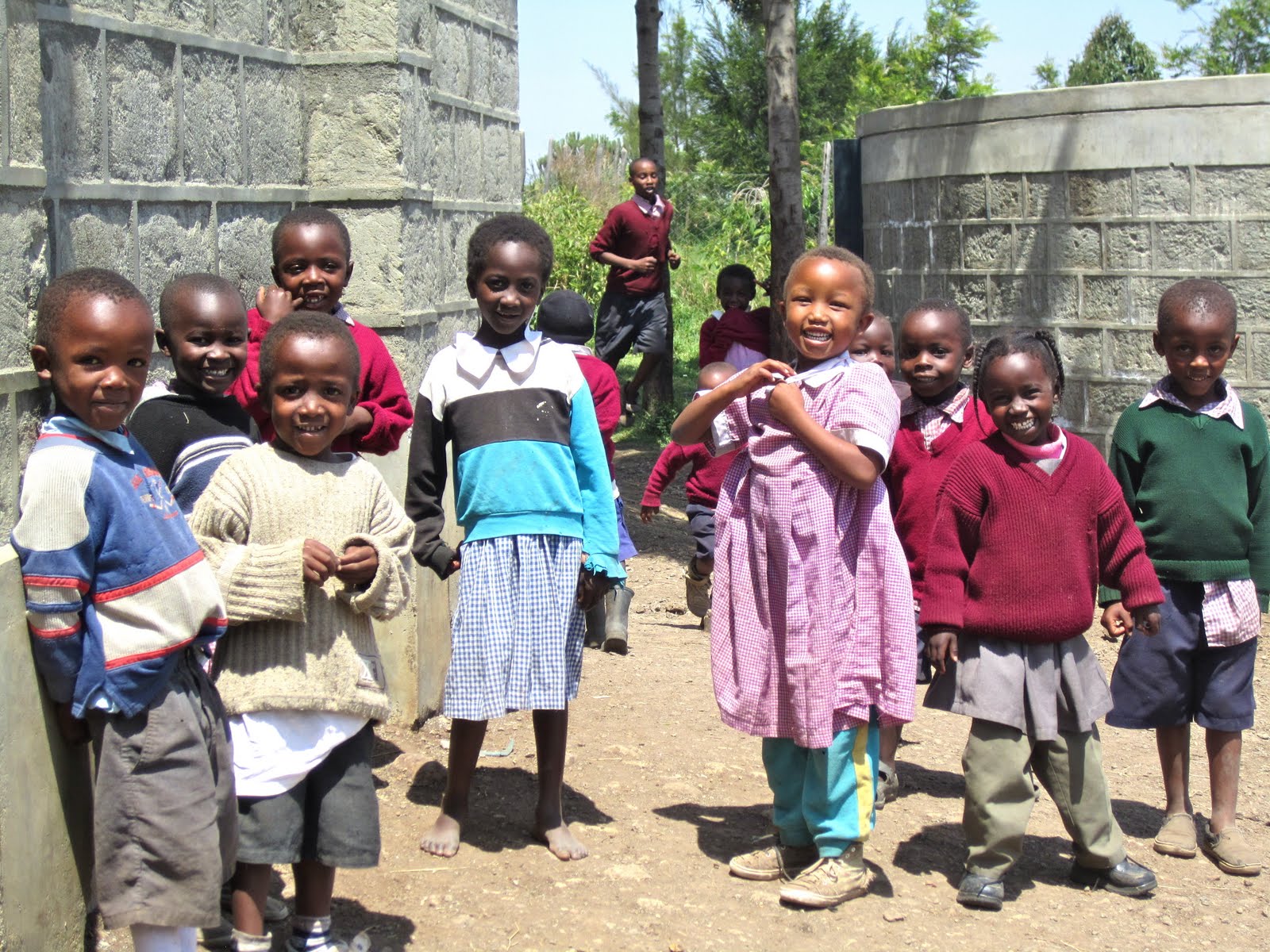
This might be one of my favorite photographs yet! Usually, when we arrive at a school, I hear some of the school children yelling, “Mzungu!” to the others, which means “white person” in Swahili. The students start coming out of their classrooms, off the playfields, etc. to be close to me, to shake my hand, or to greet me. Even in the high school, they want to shake my hand and touch my skin and hair. One or two often call out in a high-pitched voice, “How are you?” I think they are trying to speak with an American accent, but it just sounds funny!


When we arrived at Ngumo School yesterday to test their water, I didn’t create the regular commotion. (Perhaps I was already “old news” on my second visit to the school?!?) I was standing on the side of a building looking at their water collection tank and the piping that brings the water to taps (faucets) for student use. Out of the corner of my eye, I saw some of the younger students looking at me and starting to gather about 30 feet away from me- a wildlife attraction in Kenya, I suppose! I tried not to be any more of a distraction by keeping my back turned toward them, but after another five minutes, I could feel them getting closer. I turned around fully and there was a group of about ten kids who had closed in on me. My camera was in my pocket, so I snapped this quick shot. I love their smiles with missing teeth, their mix-and-match school uniforms, the shy boy holding half his shirt up, and the boy in the background who is running to see me. “Mzungu!” 

Thursday, July 14, 2011

Utwtu Adventure- Zebras and Caves

On Monday, we met a man named William in town to talk about his interest in purchasing the Better Water Maker for his eco tourism grounds. Utwtu Eco Tourism is actually on the way to Ndogo. He plans to make it a school and community information center, where visitors can see some wildlife and learn more about the different tribes in the region. While still under development, William invited us to visit and take a tour, so John, Paul, and I took the trip to Utwtu on Tuesday. The grounds are fairly large and they have the building foundations for a restaurant, store, presentation area, etc. They are waiting for their permit for about a dozen African snakes, and they also have African tortoises and African quail.


The most interesting part for me was the traditional Masai huts. Built of mud and sticks, they are very small, and even someone my height (5’3”) has to duck into them. They have also built traditional furniture made of sticks, including a very uncomfortable looking bed!  The Masai traditionally had several wives, so the Utwtu Eco Tourism group has had the man’s hut as well as the wives’ huts built.


The Utwtu staff told us about some caves nearby, so we decided to go explore a bit. On the way to the caves, there happened to be a heard of zebra just off the road in front of us. Finally, a closer look for me! I stepped a bit closer to take a few photographs, but got a bit nervous after the head of the herd looked directly at me.  They really are beautiful creatures, though a bit more dirty brown and black than we usually see photographs of them! (Apparently, Utwtu also has a zonkey, which is the result of a zebra and a donkey mating. I didn’t get to see it, but they told me the legs are striped and the rest looks like a regular donkey.)


We continued on our way to find the cave, and while I expected a cave in a mountain, the staff member told me to turn right and all I could see was underbrush. John and I followed him through the bush down and into a rock cave underground. Magnificent! We didn’t have a very good flashlight, so we couldn’t go too deep, but it was interesting to have a look. The staff member kept saying it was used by the Freedom Fighters, so I’ll have to learn more about them. There were hundreds of bats hanging from the ceiling of the cave, and with the constant sounds of them, I was ready to get out pretty quickly! 

Looking out from the cave...

Hundreds of Bats!

Ndogo Continued...


A note about my last post…

On the drive home from Ndogo School, the Ardingly students were crying in the bus. Throughout the week, they had worked hard building a better school for the students and building strong connections with the Ndogo children, and this was the moment that it all came together for them. The Ardingly students had come together as a group at their own school to raise funds for their trip and donations for the school, and the impact of Ardingly on Ndogo School over the years is truly making a difference for the lives of children in both places. The long-term commitment Ardingly has made to Ndgogo School is what I think has made this project such a good one. All of the schools I have visited are grateful for any type of support or relationship with a school from the US or England, but it’s committing to a long-term relationship that will be most beneficial for both schools and all of the students. 

Tuesday, July 12, 2011

Pembroke and Ndogo


(from 7/8/2011)
Today, instead of working, I decided to head to two different schools in the Rift Valley. First, Pembroke Boarding School, a school for 6-15 year olds not too far from Bush Ventures. The school is well-known in the area as the “posh” school for white Kenyans and others in east Africa. It was their last day of the term and the students and their families were participating in activities such as a derby car race and mini boat sailing. The school follows the British curriculum and is quite elite in the area. I went to visit with a family who was visiting from Tanzania with their four kids. They’ll begin boarding school there next year at ages 7 and 8.

Then, I traveled with the Ardingly group to Ndogo School for their final good-bye ceremony. Ndogo School is located deep in the Rift Valley and has students from three different tribes all learning in the same school. I’ve been told that this is unique, and is part of why Ardingly formed a relationship with this particular school. When I looked at the students, I couldn’t distinguish the tribes, except for the beaded necklaces that a few of the Masai kids were wearing.

The Ardingly students raised enough money for a new kitchen for the school, and for a lunch program for the students for five years. This was the first day “school lunch” was to be served, so it was quite a celebration. The food will mostly be rice and potatoes, with vegetables grown from the school garden. This school is unique in that each family has been given a small plot of the garden for planting and care, and then provides for the school. It’s looking particularly good at this time of year when water is not scarce.
The School Garden

The Kitchen consists of a large pot to cook rice, potatoes, etc.

Students eating their first school lunch!
Meetings and ceremonies are quite formal here and tend to be a bit on the long side for me. As the woman I am staying with shared with me, “Kenyans love to have meetings.” There are many formal introductions and information is repeated many times. This school meeting, however, was wonderful, as the kids from the school performed some songs and dances for all of us.


The parents of the students were present and they also performed for us. This is the first group of Masai that I have encountered so far, and their clothing and headpieces really impressed me.


The kids are so excited to have guests come to their school. They would welcome each of us, ask our names, hold our hands, and “investigate” our clothing, sunglasses, etc. This little guy was completely intrigued by my watch- a $10 piece I bought at Target before I left home, that I would have happily given to him if I didn’t need it this month!


I handed my digital camera over to some of the students and they were thrilled. The poor kids that ended up with the camera at any particular time were mobbed by the others for the camera at first, but once I shared that each child could take only 3 pictures, they were much more willing to share. I had to sort through a lot of pictures of hands, feet, and sky, but these are some of my favorites. 


Monkeys!!!

And for those of you who are eager to see the wildlife here in Kenya...
That's MY reading spot!

I saw a few monkeys run across the students' tent area and up a tree two days in a row, and then finally, I woke up early last week, when down to the Bush School to read a bit, and there were two monkeys exactly where I had planned to sit! Some of the students had left potato chips out the night before, so the monkeys were exploring the area. It was fun to sit and watch them move around like they owned the place!